
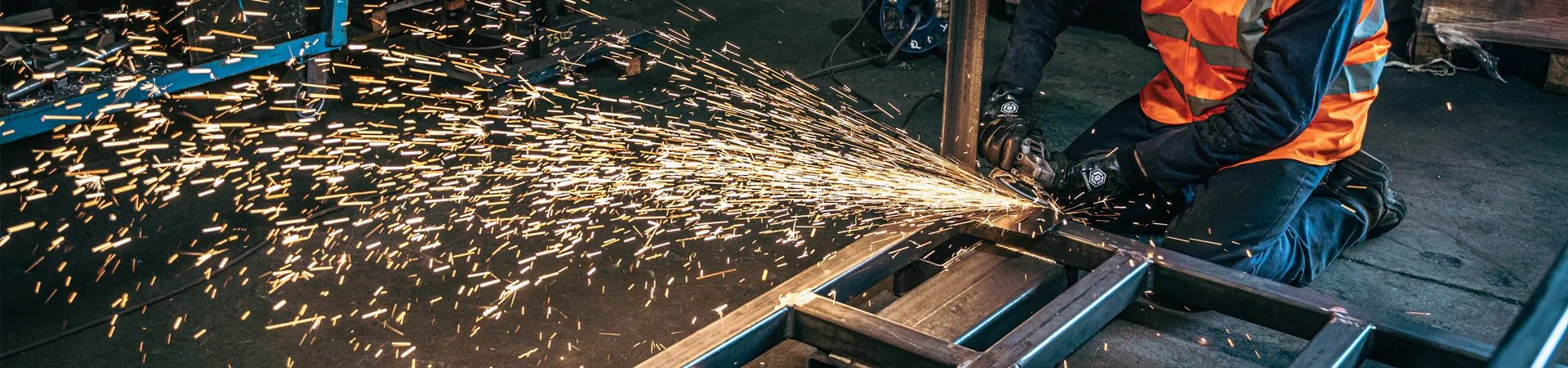
Regent Engineering calls for greater use of British manufacturing capacity in UK defence projects
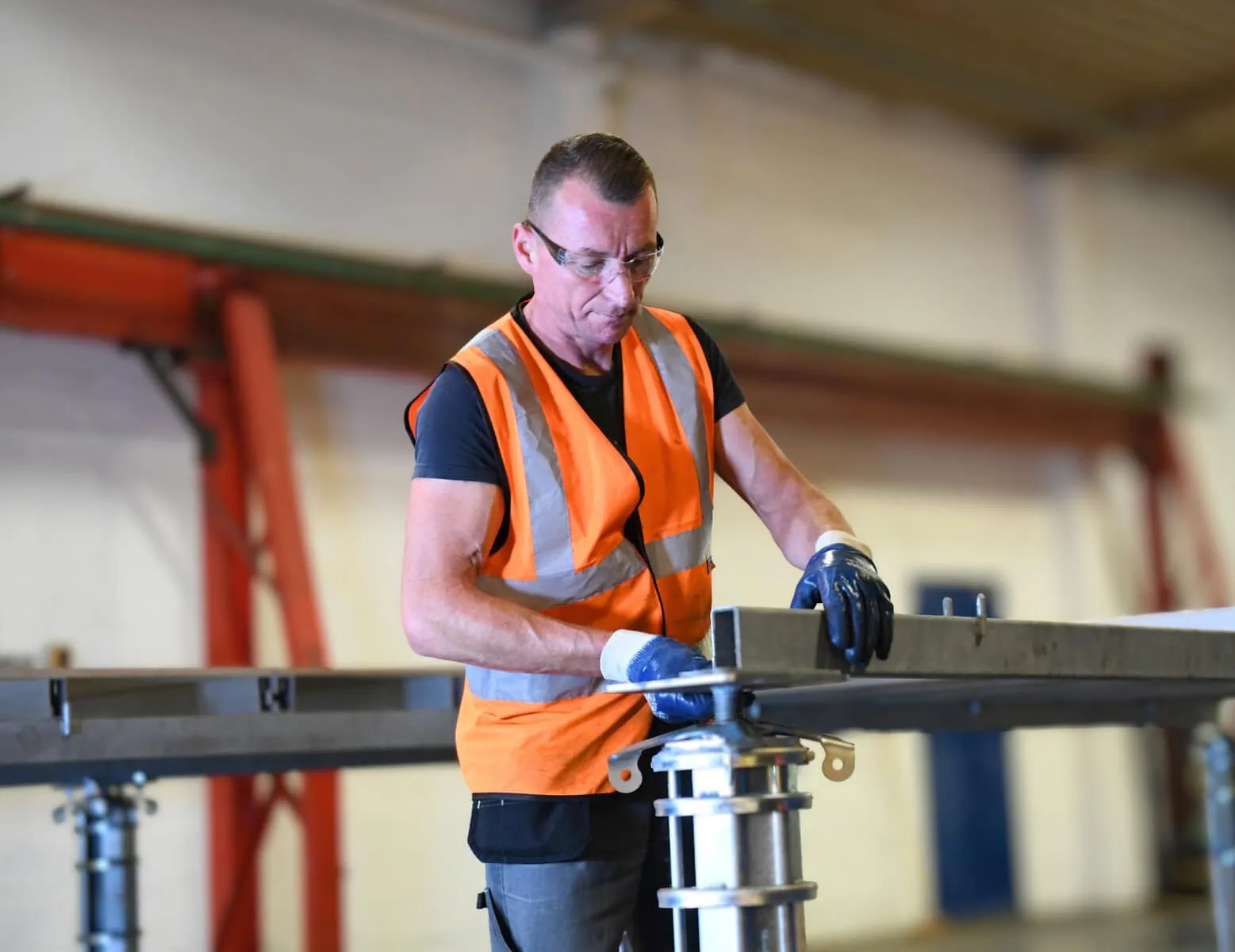
West Midlands manufacturer highlights opportunities for domestic presswork, steel fabrication and welding expertise as government figures show 85% of defence manufacturing expenditure supports UK production.
Regent Engineering has called for greater engagement between UK government departments, major defence contractors and British manufacturers following new figures highlighting the contribution of domestic industry to national defence programmes.
According to a recent report by UK Defence Journal, 85% of Ministry of Defence manufacturing expenditure with industry supports work undertaken in the UK, underlining the importance of British production capacity to national security and industrial resilience.
For Regent Engineering, a West Midlands manufacturer specialising in metal pressings, stampings and engineered assemblies alongside steel fabrication and welding, the figures reinforce the value of established UK manufacturing businesses in supporting long-term government and defence procurement.
Stuart Whitehouse, Managing Director of Regent Engineering, believes Britain’s industrial capacity offers a substantial opportunity to strengthen domestic supply chains while supporting skilled employment and regional economic growth.
“The UK has an extraordinary depth of manufacturing knowledge, engineering experience and production capability, particularly here in the West Midlands,” said Whitehouse.
“When government departments and major contractors place work with British manufacturers, that investment supports the wider industrial economy. It sustains skilled employment, develops technical expertise and strengthens the manufacturing capacity our country can draw upon for decades to come.”
British manufacturing capacity central to defence resilience
The Ministry of Defence is placing increasing emphasis on understanding international supply chain dependencies, identifying strategic vulnerabilities and strengthening the UK’s ability to manufacture and maintain essential equipment domestically.
This direction creates opportunities throughout the engineering supply chain, particularly for manufacturers providing specialist metal presswork, fabricated structures, welded components and mechanical assemblies.
Regent Engineering has been part of Britain’s industrial landscape since 1941, developing an extensive range of production capabilities from its manufacturing facility in Darlaston, near Walsall.
Its UK metal pressings and stampings operation incorporates mechanical and hydraulic presses with capacities up to 700 tonnes, supporting coil-fed and manually fed presswork across steel, stainless steel, aluminium, brass and copper.
The company’s large metal and steel fabrication capabilities extend to fabricated products weighing up to four tonnes, supported by cutting, drilling, MIG and TIG welding and complementary robotic laser welding capability.
These manufacturing processes provide opportunities to support defence contractors and their supply chains with individual engineered components, repeat production requirements and more complex fabricated assemblies.
“Manufacturing resilience begins with having the right skills, equipment and production capacity available when they are needed,” Whitehouse continued.
“British engineering companies have spent generations developing these capabilities. By involving domestic manufacturers throughout the supply chain, government and industry can strengthen delivery, encourage further investment and retain valuable engineering knowledge within the UK.”
Unlocking West Midlands engineering expertise
The West Midlands remains one of Britain’s most important industrial regions, with established strengths in automotive, aerospace, defence and advanced engineering.
Regent Engineering believes the region’s combination of specialist manufacturers, experienced engineers and existing production infrastructure represents a significant resource for major government procurement programmes.
The company’s integrated manufacturing operation brings together metal pressings and assemblies, heavy steel fabrications, robotic welding and secondary engineering processes, allowing customers to source multiple manufacturing operations through one UK supplier.
Regent’s capabilities include the manufacture of high-strength steel pressings, stainless steel components, fabricated metal structures and welded assemblies, with additional processes such as riveting, drilling, tapping and mechanical assembly.
Its commitment to manufacturing quality is supported by ISO 9001 quality management and EN 1090-2 certification for fabricated and welded products.
Whitehouse believes closer collaboration between prime contractors and established Tier 2 and Tier 3 engineering businesses could help accelerate production readiness and improve supply chain responsiveness.
“There is tremendous value in the manufacturing capacity that already exists across the Midlands,” he said.
“Companies with established fabrication, presswork and welding capabilities can make an important contribution to major engineering programmes. The opportunity is to bring that expertise into procurement discussions early, understand the technical requirements and develop lasting relationships across the supply chain.”
Regent has already strengthened its engagement with the aerospace and defence industries through its membership of the Midlands Aerospace Alliance, supporting closer relationships with manufacturers, major contractors and industry stakeholders.
Investing in British engineering and production capability
The government’s wider defence industrial strategy places increasing emphasis on British jobs, apprenticeships, domestic supply chains and the development of sovereign manufacturing capabilities.
For manufacturers such as Regent Engineering, sustained demand and long-term procurement visibility can provide the confidence needed to invest in machinery, workforce development and advanced production processes.
The company has previously highlighted the importance of unlocking existing UK manufacturing capacity to support defence production, particularly among smaller and medium-sized engineering businesses with established facilities and specialist equipment.
Regent’s own manufacturing activities demonstrate the breadth of capability available within the British industrial base, from high-capacity metal forming and robotic welding through to engineered products and specialist fabricated structures.
The company’s British-manufactured FloorStak modular support and levelling system also illustrates how established engineering expertise can be applied to specialist infrastructure requirements, including temporary structures and deployable facilities.
Whitehouse believes government procurement can play an important role in sustaining these capabilities for future generations.
“Every major programme creates opportunities across a much wider network of businesses,” he said.
“Consistent investment in British manufacturing gives companies the confidence to develop their people, improve their processes and expand their capabilities. That creates a stronger and more responsive industrial base for future projects.”
Supporting the future of UK defence manufacturing
As Britain increases investment in defence and places greater emphasis on domestic industrial resilience, Regent Engineering sees an opportunity for established manufacturers to contribute more extensively to government programmes and the wider defence supply chain.
The company continues to develop its position as a UK manufacturing partner for businesses requiring metal pressings and stampings, large steel fabrications and welded assemblies, and integrated engineering production capabilities.
With more than 85 years of manufacturing heritage, Regent believes the combination of skilled people, established equipment and domestic production capacity will remain central to Britain’s industrial competitiveness.
“The foundations of a resilient defence supply chain are built in engineering businesses throughout the country,” Whitehouse concluded.
“Making full use of British manufacturing capacity is an investment in our security, our economy and the future of UK engineering. We want to see that capability recognised and utilised across government and major industrial programmes.”
To discuss UK manufacturing requirements, including metal pressings, stampings, fabrication, welding and engineered assemblies, contact Regent Engineering or explore the company’s manufacturing capabilities.