
Regent Engineering Strengthens Manufacturing Resilience Through Investment in Fabrication Capability & Automation
As UK manufacturers navigate rising costs, supply chain uncertainty and increasing pressure to modernise operations, businesses capable of combining agility with technical capability are becoming increasingly valuable within the industrial supply chain. For Regent Engineering Co (Walsall) Ltd, that resilience is being built through a combination of welding automation, presswork expertise, tooling capability and large-scale fabrication capacity.
The Black Country manufacturer, which serves customers across engineering and industrial sectors, believes the ability to offer flexible, high-quality manufacturing solutions under one roof is becoming a major differentiator as British industry adapts to a more complex operating environment.
Recent industry analysis from Howden’s State of UK Manufacturing Report highlights how manufacturers are balancing investment and growth ambitions against inflationary pressures, skills shortages, supply chain disruption and growing digitalisation requirements. The report suggests resilience is increasingly being defined not simply by output, but by the ability to adapt, invest and maintain operational flexibility.
For Regent Engineering Managing Director Stuart Whitehouse, those findings closely reflect what is happening across the wider manufacturing landscape.
“Manufacturing resilience today is about far more than just capacity,” he says. “Customers want dependable suppliers who can respond quickly, solve problems and maintain quality even when markets become unpredictable. That’s where having a broad range of in-house capabilities becomes extremely important.”
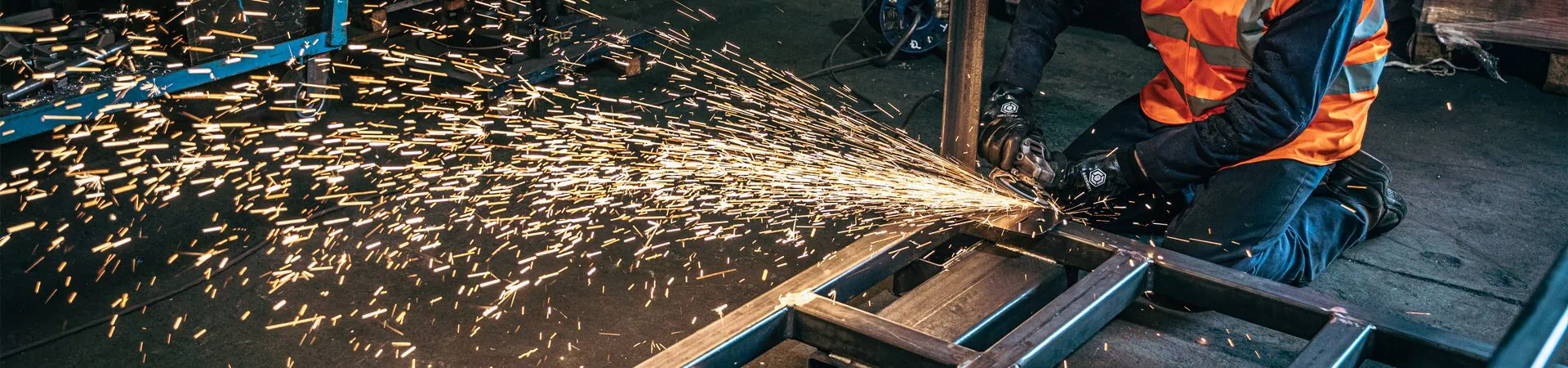
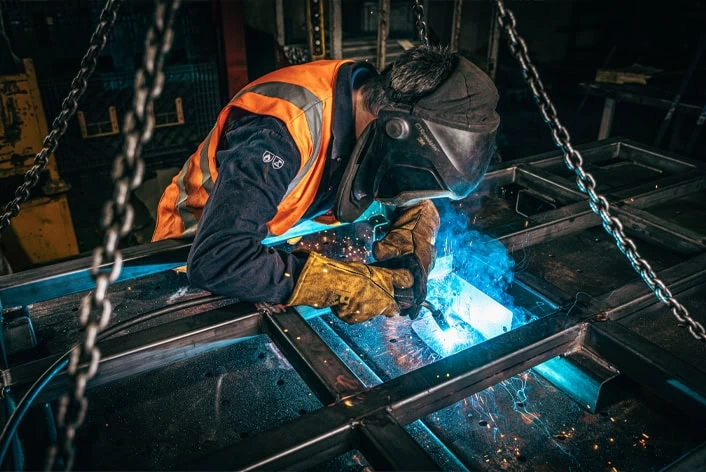
Regent Engineering continues to position itself around that flexibility, combining traditional engineering expertise with modern automated processes. The business operates robotic welding cells alongside extensive presswork and fabrication facilities, allowing it to support both repeat production work and complex bespoke projects.
“Our welding automation capability allows us to deliver consistency, repeatability and efficiency on production work, while still retaining the flexibility to support specialist fabrications and lower-volume requirements,” says Whitehouse. “At the same time, our presswork and tooling expertise gives customers confidence that we can react quickly and maintain quality throughout the manufacturing process.”
The company’s large fabrication capabilities and significant press capacity, including a 700-tonne press, are also providing opportunities to support customers looking to strengthen UK-based supply chains and reduce reliance on overseas sourcing.
“There’s growing recognition across British industry that resilient domestic supply chains matter,” Whitehouse adds. “Businesses are looking much more carefully at supplier responsiveness, lead times and manufacturing capability within the UK. Having strong engineering and fabrication expertise onshore gives customers greater confidence and control.”
Alongside automation and production capability, Whitehouse believes investment in skills, adaptability and long-term engineering knowledge remains critical to future success.
“Technology is important, but manufacturing still depends on people with experience and problem-solving ability,” he says. “The businesses that succeed over the next decade will be those that continue investing in both automation and engineering expertise while remaining agile enough to adapt to changing customer demands.”
As UK manufacturing enters another period of industrial transition, Regent Engineering believes resilient, technically capable SMEs will continue to play an increasingly important role in supporting the wider supply chain — particularly for customers seeking responsive, high-quality British manufacturing partners.