
Defence diversification gathers pace for Regent Engineering
Growing interest in defence manufacturing across the West Midlands is opening another route to growth for the region’s established engineering supply chain, according to Regent Engineering Managing Director Stuart Whitehouse Recent industry figures indicate that a rising number of manufacturing SMEs are exploring opportunities in defence and security, supported by a broader regional effort to increase the Midlands’ share of UK defence investment.
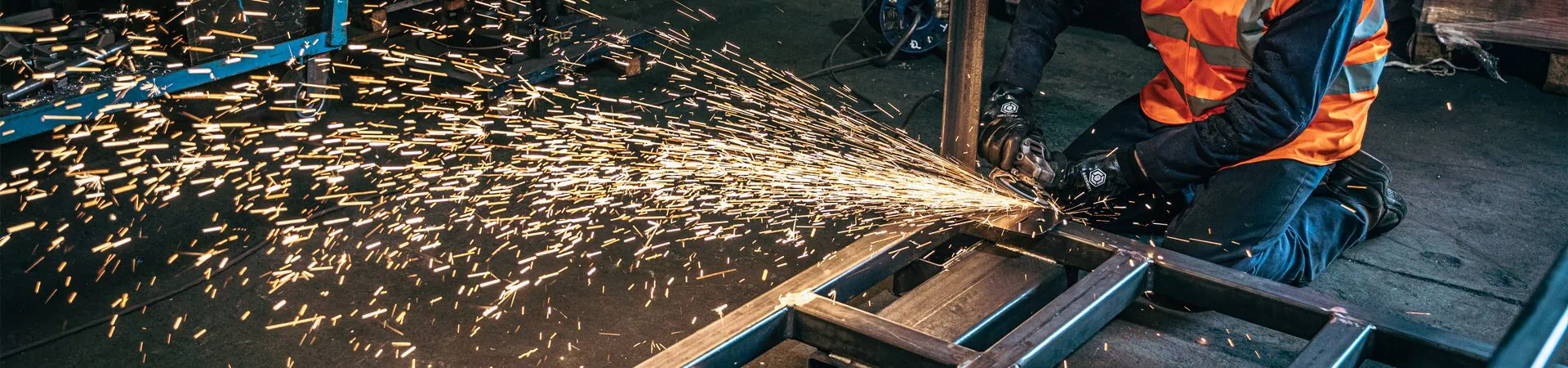
For Darlaston based Regent Engineering, the trend reflects conversations already taking place across the manufacturing community. The company has secured opportunities in the defence sector for large fabricated structures, drawing on manufacturing capability developed across heavy fabrication, presswork, welding and assembly. Whitehouse believes the West Midlands starts from a position of considerable industrial strength.
“The region has an extraordinary concentration of engineering knowledge,” he said. “There are companies here with decades of experience in fabrication, pressings, stampings, welding, machining, tooling and assembly. Much of that capability has direct relevance to the defence supply chain. “We are seeing that ourselves through opportunities for large fabrications. It is an area where our manufacturing experience, facilities and the skills of our workforce are well suited to the type of work the sector requires.”
Regent Engineering celebrates its 85th anniversary in 2026, having developed from its origins in subcontract toolmaking, presswork and assembly into a manufacturer operating across pressings and assemblies, steel fabrication and its own engineered products.
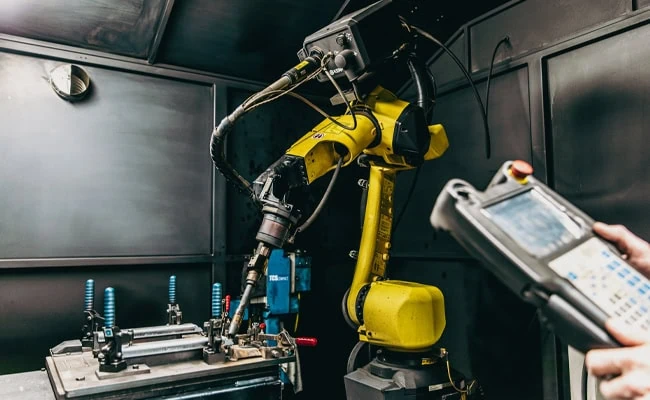
Its fabrication capability includes large welded structures alongside robotic laser welding and associated manufacturing and assembly processes. These capabilities provide a platform for work across several demanding industrial markets, including defence.
The renewed focus on defence comes as the UK increases expenditure and seeks greater resilience within domestic supply chains. For manufacturers in the West Midlands, this creates opportunities extending from individual components through to substantial fabricated assemblies and supporting infrastructure.
Whitehouse sees diversification as a natural progression for manufacturers whose skills can be applied across sectors.
“Good engineering travels,” he said. “The knowledge involved in producing a large fabricated structure, controlling a welding process or repeatedly manufacturing pressed components to specification has value across many industries.
“Defence customers are looking for capable manufacturing partners, and the West Midlands has a deep pool of businesses with those skills. The opportunity is to understand where our capabilities fit and build the relationships that allow manufacturers to become part of those supply chains.”
The region also brings experience gained through automotive, aerospace, rail, construction equipment and general engineering. Together, those industries have created a substantial base of production engineers, welders, toolmakers and manufacturing specialists, supported by established factories and capital equipment. For Whitehouse, collaboration between those businesses could prove particularly important as defence programmes seek greater UK manufacturing capacity.
“A large programme can involve many different processes, and that creates opportunities for companies to work together,” he said. “One manufacturer may provide the fabrication, another a specialist process and another a particular component or technology.
“The more connected the regional supply chain becomes, the easier it is to bring those capabilities together and demonstrate what the Midlands can offer.”
That message also fits with Regent Engineering’s recent involvement in regional manufacturing networking, where Whitehouse has advocated stronger relationships between UK manufacturers and greater awareness of complementary capabilities.
With defence moving higher up the regional economic agenda, he believes the West Midlands has an opportunity to translate its manufacturing heritage into a new generation of work.
“We have spent 85 years making things in the Black Country,” Whitehouse added. “The processes have evolved, the equipment has developed and the markets have changed, while the underlying engineering skills remain immensely valuable.
“Defence represents a significant opportunity for British manufacturing. For Regent, securing opportunities for large fabrications shows how established West Midlands capability can contribute. There is a strong manufacturing base across this region, and we want to see more of that expertise supporting major UK programmes.”